
What is the difference between a padel ball and a tennis ball?
Padel balls and tennis balls look almost identical at first glance: both are round, felt-covered and usually yellow. So it is natural to wonder when starting padel: could you simply take your tennis balls onto the padel court?
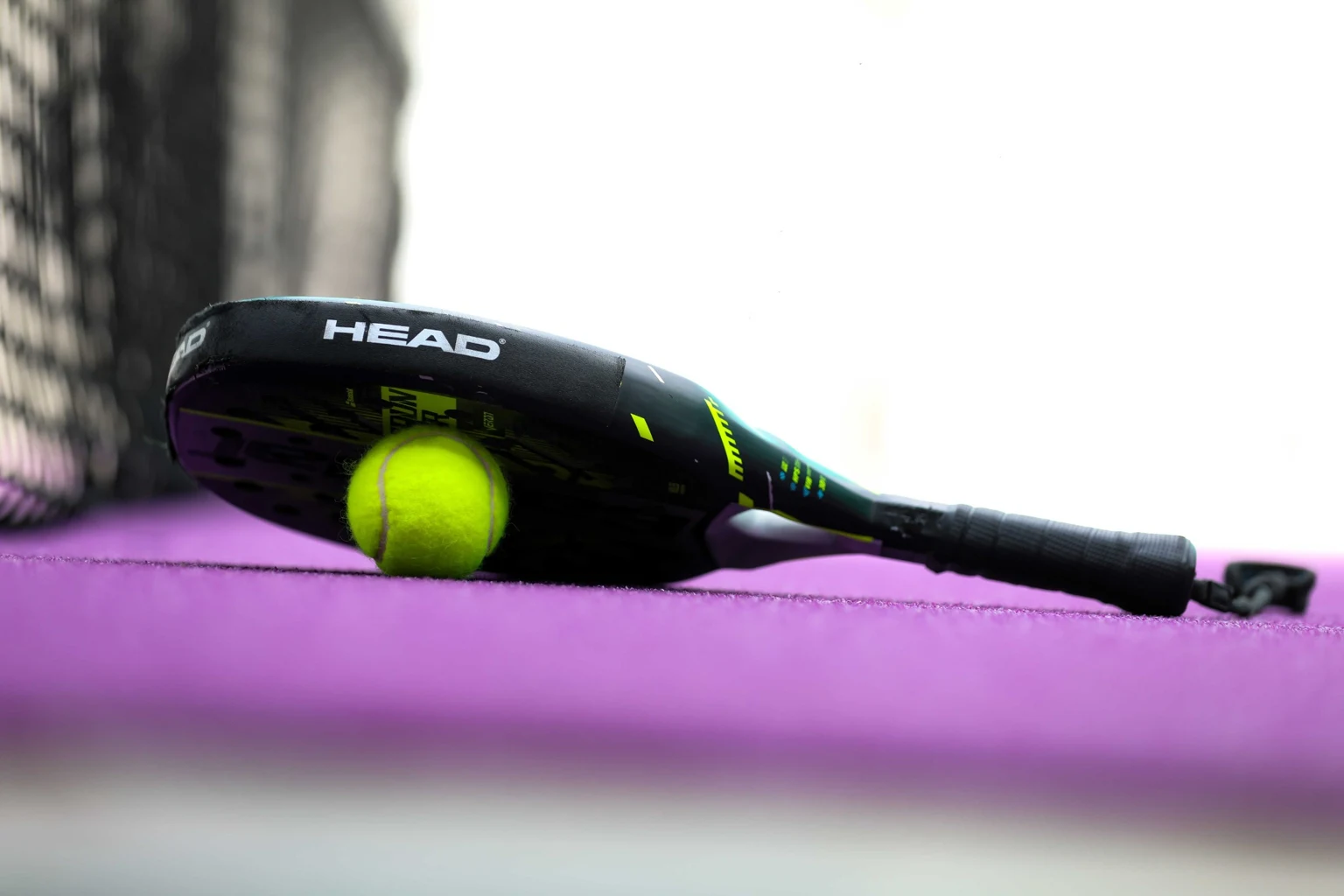
Padel balls and tennis balls differ mainly in pressure and playing characteristics. Their permitted sizes also differ, but contrary to a common assumption, a padel ball does not have to be lighter than a tennis ball.
Is a padel ball smaller than a tennis ball?
A padel ball can be slightly smaller, but appearance alone may not help you tell them apart. Under International Padel Federation (FIP) rules, a padel ball's permitted diameter is 6.35–6.77 cm. A standard tennis ball measures 6.54–6.86 cm.
These ranges overlap. Not every padel ball is therefore smaller than every tennis ball. The permitted weight is the same for both: 56.0–59.4 grams.
Why does ball pressure matter?
Compared with a typical new pressurised tennis ball, a padel ball generally has lower internal pressure. This is one reason the balls behave differently on court.
Along with the rubber core and felt covering, pressure affects how a ball rebounds from the racket and court surface. Similar looks do not guarantee the same playing feel.
Do not assume all padel balls are identical either. Models differ, and a new ball can behave noticeably differently from a worn one.
Does a tennis ball bounce higher?
Tennis balls are often described as having a higher bounce, but the official rebound ranges are quite close.
FIP rules require a new padel ball to rebound 135–145 cm when dropped from 2.54 metres onto a hard surface. The equivalent range for a standard Type 2 tennis ball is 135–147 cm. Because these ranges overlap, you cannot say that every tennis ball always bounces higher than every padel ball.
In practice, a home bounce test alone is not a reliable way to distinguish the two. The easiest approach is to check the tube or packaging to see which sport the ball is designed for.
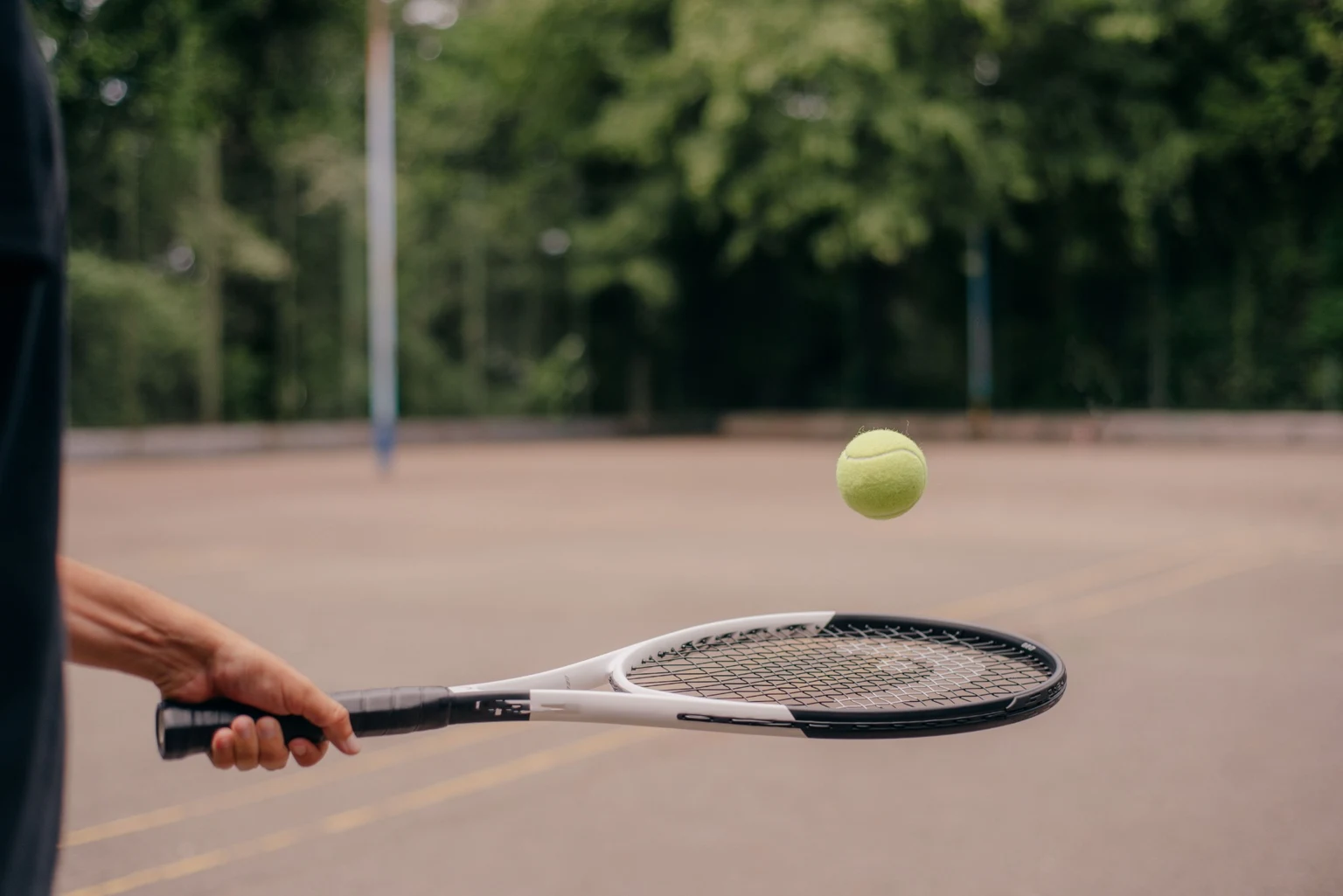
Padel balls and tennis balls compared
| Characteristic | Padel ball | Standard tennis ball |
|---|---|---|
| Diameter | 6.35–6.77 cm | 6.54–6.86 cm |
| Weight | 56.0–59.4 g | 56.0–59.4 g |
| Internal pressure | Generally lower | Generally higher in pressurised balls |
| Designed for | Padel | Tennis |
The size and weight requirements show how physically similar the balls are. The important difference is the game their characteristics have been tailored for.
Can you play padel with a tennis ball?
You can of course hit a tennis ball over a net with friends, but choose padel balls for playing padel. Practising with tennis balls may give you a different feel from what you will experience in a padel lesson or tournament.
Official FIP competitions use FIP-approved padel balls. A tennis ball label alone does not establish that a ball meets padel requirements.
An old tennis ball that has lost pressure does not automatically become a padel ball either. It may bounce lower, but that does not guarantee suitable, consistent playing characteristics for padel.
How do you choose the right ball in a shop?
If you are buying balls to play padel, first check that the packaging clearly says “padel”. Check the manufacturer's description and competition approval marking if needed.
As a beginner, ask your coach or local club for advice. Starting with balls your coach knows lets you focus on learning the game.