
How can you tell if a padel ball is too flat to play with?
Your shots feel less lively, the ball stays low after rebounding off the glass and the game does not flow as it used to. Could the ball be the reason? Before opening a new tube, try a few simple checks.
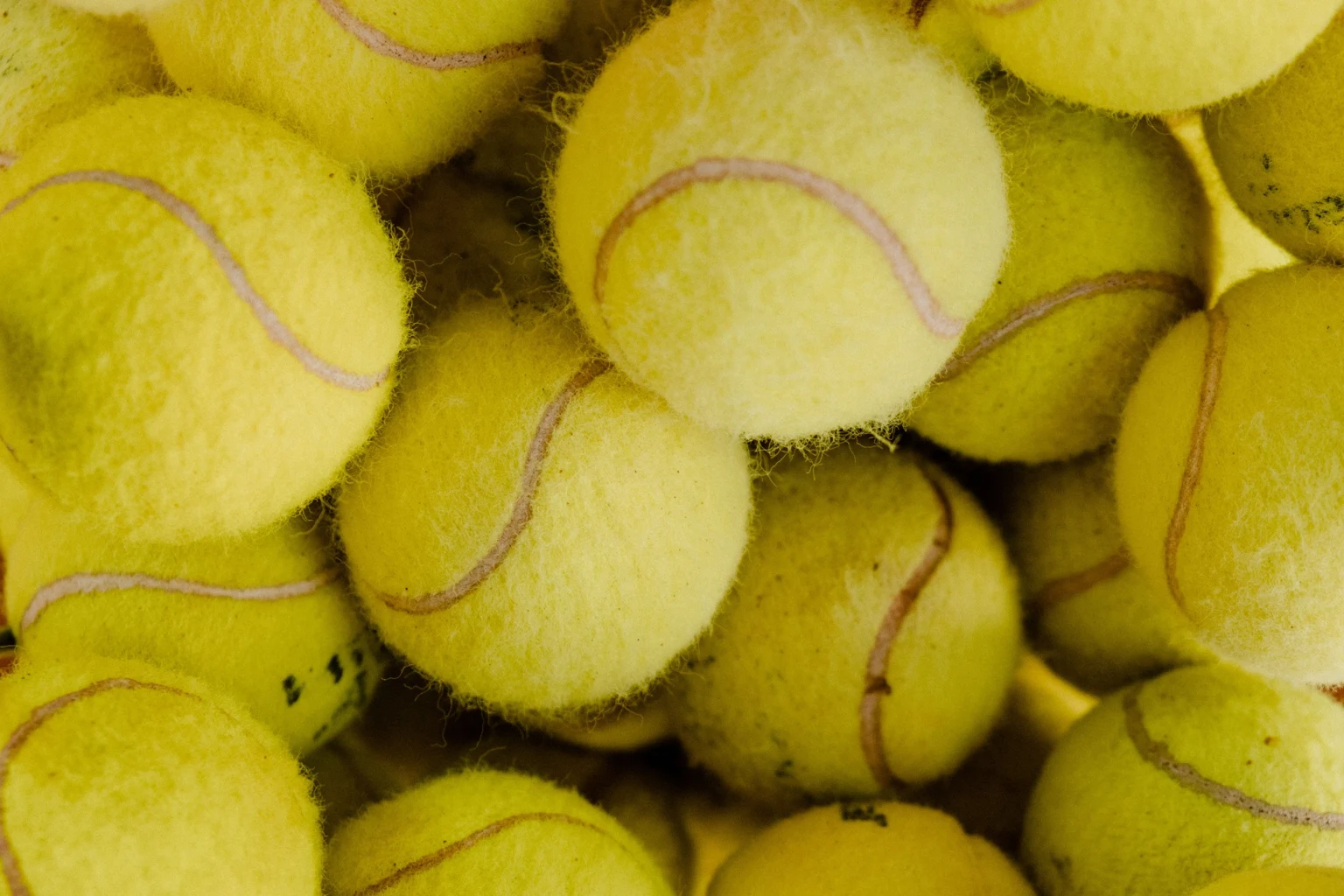
The most useful clue is a used ball consistently bouncing noticeably lower than a fresh ball of the same model in the same conditions. Squeezing the ball or hearing a duller sound can support your suspicions, but neither gives a reliable answer on its own.
What are the signs of a tired padel ball?
Look for a change from how the same ball used to play. It is worth checking when you notice several of these signs:
- the ball bounces unusually low when dropped;
- shots hit with your usual force travel less far and feel less lively;
- the ball rebounds less energetically off the glass;
- one ball behaves noticeably differently from the others in the same tube.
These are practical observations, not measurements of pressure. Court surface, temperature, ball model and technique all affect the result. One poor shot does not mean you need to replace the ball.
A simple bounce test: compare a used ball with a fresh one
You do not need special equipment for a home check. A fresh ball of the same model makes the best comparison because different models can naturally bounce differently.
- Bring the balls into the same conditions. Do not compare a ball from a cold car with one kept in a warm room. Let a wet ball dry first.
- Choose a flat, hard surface. Use the same spot for both balls. Carpet and soft surfaces are unsuitable for this comparison.
- Let both balls fall freely from the same height. Do not throw them down or add force. Choose a height you can repeat comfortably and consistently.
- Repeat the test a few times. Compare the height of the first bounce. Filming from the side can make the difference easier to see.
If the used ball consistently bounces noticeably lower, its playing characteristics have probably deteriorated. This test cannot tell you whether pressure loss alone or wear in the rubber core is responsible, but it can help you decide whether the ball still suits your usual game.
How high should a padel ball bounce?
Under FIP rules, a new standard padel ball must rebound to a height of 135–145 cm when dropped from 2.54 metres onto a hard surface. High-altitude balls have a separate requirement.
This is an official specification for a new ball, not a universal replacement threshold for used balls. Home conditions are not laboratory conditions. If you drop a ball from shoulder height, for example, you cannot compare the result directly with the 135–145 cm range.
Can you tell if a ball is flat by squeezing it?
Squeezing can offer an extra clue: if the ball feels noticeably softer than a fresh one of the same model, check its bounce too. But rubber cores differ between models, and judging by hand is subjective.
The same applies to sound. A duller impact may catch your attention, but the racket and point of contact also affect the sound. Base your replacement decision on repeated bounce comparisons and how the ball plays.
Is the ball flat or just cold?
A cold ball may bounce less energetically. If your balls have been in a cold car or you are playing in a chilly hall, do not immediately assume they are unusable. Before comparing them, let them naturally reach the same room temperature.
Also distinguish pressure loss from wear. A ball can retain pressure while a worn rubber core or felt covering still affects its performance. A visible tear or a change in shape is a reason to remove the ball from play.
Can a flat ball be recovered?
A suitable ball pressuriser or a device designed to restore pressure may help extend a ball's useful life. Results depend on the device and the ball's condition, so follow the instructions for your particular product.
A pressuriser cannot restore worn felt or repair a damaged rubber core. If a ball still bounces poorly or inconsistently after correct use of the device, replace it.
When should you open a new tube?
For recreational play, there is no fixed number of sessions that suits every ball and player. Give your balls a quick bounce check before playing and agree with your playing partners on the condition you find acceptable.
If a ball repeatedly bounces noticeably lower than a fresh comparison ball and its playing feel has changed, it makes sense to use a new set. The aim is a consistent, predictable game.
Sources
- FIP: Rules of Padel (2026), bounce requirements for new balls
- HEAD Pressurizers: maintaining pressure and ball wear
The comparison described here is a practical recreational check, not an official compliance test.